
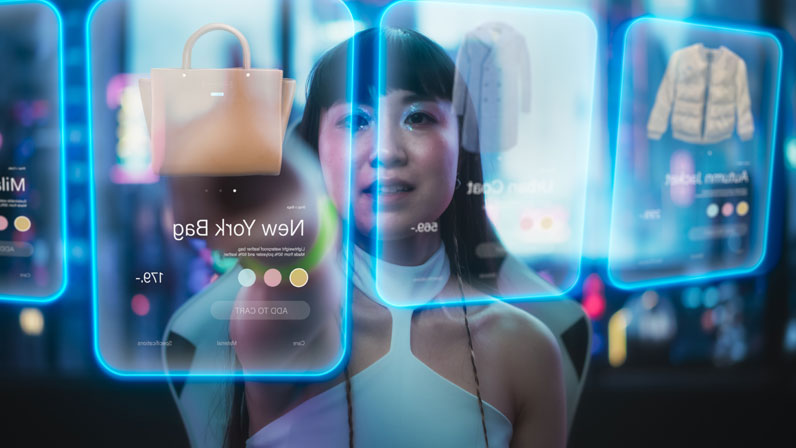
In the rapidly evolving digital world, the way people search for products is changing. Traditional text-based search is no longer enough to meet user expectations. Many times, customers don’t know the exact name of a product—they only know what it looks like.
In 2026, this gap is being filled by AI-powered visual search.
Instead of typing keywords, users can simply upload an image or click a photo, and AI will instantly identify similar products, suggest alternatives, and guide them toward a purchase. This technology is transforming how people discover and buy products online.
Visual search is not just a feature—it is becoming a new standard in e-commerce.
What is AI-Powered Visual Search?
AI-powered visual search is a technology that uses artificial intelligence, computer vision, and machine learning to analyze images and find visually similar items.
Rather than relying on text input, it understands:
- Shapes
- Colors
- Patterns
- Textures
- Object structures
This allows users to search for products using images instead of words.
 Video Marketing Traffic Tactics

For example:
- A user sees a jacket on social media
- Takes a screenshot
- Uploads it to a shopping platform
Within seconds, AI shows:
- Similar jackets
- Different price options
- Alternative styles
This makes the shopping experience faster, easier, and more intuitive.
How AI Visual Search Works
AI visual search systems are powered by advanced algorithms that process and analyze images in real-time.
Here’s how it works step by step:
1. Image Scanning
The process begins when a user uploads an image or takes a photo.
AI scans the image and identifies key elements such as:
- Object type (e.g., shoes, bag, furniture)
- Color combinations
- Patterns and textures
- Edges and shapes
This step is known as image recognition.
2. Feature Extraction
Once the image is scanned, AI extracts unique visual features.
These features act like a “digital fingerprint” of the image. Instead of relying on keywords, AI uses these features to understand what the product looks like.
For example:
- A floral dress is identified by its pattern
- A sneaker is recognized by its shape and design
3. Matching Similar Products
AI then compares the extracted features with millions of products in its database.
It finds items that closely match the uploaded image based on:
- Visual similarity
- Category relevance
- Style and design
This process happens in milliseconds.
4. Suggesting Alternatives
Beyond exact matches, AI also suggests:
- Similar styles
- Different brands
- Various price ranges
This gives users multiple options and increases the chances of conversion.
5. Continuous Learning
AI systems improve over time.
Every search, click, and purchase helps the system learn:
- What users prefer
- Which results are most relevant
- How to improve accuracy
This makes visual search smarter with every interaction.
Why Visual Search is the Future
In 2026, convenience is everything.
Users want:
- Faster results
- Less effort
- More accurate recommendations
Text search has limitations:
- Users may not know product names
- Descriptions can be inaccurate
- Language barriers exist
Visual search removes these barriers.
It allows users to:
- Search instantly
- Discover products naturally
- Shop with confidence
This shift is especially powerful in mobile-first markets, where users rely heavily on images and quick interactions.
Affiliate Marketing Advantage
AI-powered visual search is opening new opportunities for affiliate marketers.
1. New Discovery Channels
Visual platforms like social media, blogs, and video content are becoming major product discovery channels.
Users can:
- Screenshot products from reels or posts
- Upload them into visual search tools
- Find affiliate-linked products instantly
This creates a completely new traffic source.
2. Higher Curiosity-Driven Sales
Visual search taps into curiosity.
Users often explore products they weren’t actively searching for. This leads to:
- Impulse buying
- Increased browsing time
- Higher engagement
Affiliates can benefit from this behavior by promoting visually appealing products.
3. Visual Content Monetization
Content creators can monetize images more effectively.
For example:
- Fashion bloggers
- Interior designers
- Influencers
Their content becomes directly shoppable through visual search.
This bridges the gap between inspiration and purchase.
4. Improved Conversion Rates
When users search with images, their intent is often stronger.
They already know what they want visually, which leads to:
- Faster decisions
- Higher conversions
- Better affiliate earnings
E-Commerce Impact
Visual search is transforming e-commerce experiences at every level.
1. Faster Buying Decisions
Users no longer need to:
- Type long descriptions
- Browse multiple pages
- Guess product names
They can find what they want instantly, reducing decision time.
2. Better Product Matching
AI ensures high accuracy in product recommendations.
This reduces:
- Wrong purchases
- Returns and refunds
- Customer dissatisfaction
3. Enhanced Mobile Shopping
Visual search is идеально suited for mobile users.
With just a camera:
- Users can click a photo
- Instantly find products
- Make purchases on the go
This makes shopping more seamless and accessible.
4. Increased Engagement
Interactive features like visual search keep users engaged.
They spend more time exploring:
- Similar products
- Style variations
- Related categories
This boosts overall platform activity.
5. Reduced Friction in Customer Journey
Visual search removes unnecessary steps in the buying process.
It creates a smooth journey:
Inspiration → Image → Product → Purchase
Real-World Use Cases
Visual search is already being used across industries:
- Fashion: Find outfits from photos
- Home Decor: Match furniture and design styles
- Electronics: Identify gadgets visually
- Beauty: Discover makeup looks and products
In 2026, these use cases will become even more advanced and widespread.
Challenges and Considerations
While visual search offers many benefits, there are some challenges:
1. Accuracy Limitations
AI may sometimes struggle with:
- Complex images
- Poor lighting
- Background noise
Continuous improvement is needed.
2. Data Requirements
Visual search systems require large datasets for training.
Maintaining and updating these datasets is crucial.
3. Privacy Concerns
Users may be cautious about uploading personal images.
Platforms must ensure:
- Data security
- User privacy
- Transparent policies
4. Integration Complexity
Implementing visual search requires:
- Advanced AI tools
- Strong backend systems
- Seamless UI/UX design
The Future of Visual Search
The future of AI-powered visual search is incredibly exciting.
In the coming years, we will see:
- Real-time camera-based shopping
- AR (Augmented Reality) integration
- Voice + visual combined search
- Personalized visual recommendations
Imagine pointing your phone at an object and instantly buying it online.
That future is very close.
Conclusion
In 2026, the way people shop is becoming more visual, intuitive, and instant.
AI-powered visual search is breaking the limitations of text-based discovery and creating a seamless connection between inspiration and purchase.
For users, it means:
- Faster searches
- Better results
- Effortless shopping
For affiliate marketers and e-commerce businesses, it means:
- New opportunities
- Higher engagement
- Increased revenue
The shift is clear.
Search is no longer about words.
It is about what you see.
And in the future,
a picture will not just inspire a purchase—
it will be enough to make one.

Leave a Reply