
Introduction
In today’s digital world, websites play a crucial role in how businesses interact with customers, promote their services, and generate revenue. Whether it is an e-commerce platform, a corporate website, or a small business blog, websites have become the digital face of organizations. However, as the internet grows, so do the risks associated with online activities. Cyber threats targeting websites have become increasingly common, making website security a top priority for businesses.
Website security refers to the measures taken to protect a website from cyber attacks, unauthorized access, data breaches, and other online threats. A secure website ensures that sensitive information such as customer data, login credentials, and financial details remains protected. Without proper security, websites can become easy targets for hackers.
This article explores why website security is essential, common threats that websites face, and the best practices businesses should follow to protect their online presence.
What is Website Security?
Website security involves implementing technologies and strategies that protect websites from cyber threats. These threats may attempt to steal data, damage website content, redirect visitors, or disrupt services.
Website security includes several components such as:
- Secure hosting environments
- SSL certificates for encrypted communication
- Strong authentication systems
- Protection against malware and viruses
- Regular software updates and patches
The goal of website security is to ensure that both website owners and users can interact with the platform safely.
Why Website Security is Important
Website security is not only a technical requirement but also a critical business responsibility. A secure website protects business operations, maintains customer trust, and supports long-term growth.
Protecting Customer Data
One of the most important reasons for implementing website security is protecting customer information. Websites often collect personal data such as names, email addresses, passwords, and payment details.
If hackers gain access to this data, it can lead to identity theft, fraud, and financial loss for customers. Businesses that fail to protect user data risk losing credibility and facing legal consequences.
By implementing strong security measures, organizations can ensure that customer data remains confidential and secure.
Building Customer Trust
Trust is essential for online businesses. Customers feel more comfortable interacting with websites that demonstrate strong security practices.
For example, websites that use HTTPS encryption and display security certificates show visitors that their data is protected. When users feel confident about the security of a website, they are more likely to make purchases, submit forms, or share personal information.
A secure website strengthens brand reputation and helps businesses build long-term relationships with their customers.
Preventing Financial Loss
Cyber attacks can result in significant financial losses for businesses. Hackers may steal payment information, demand ransom to restore data, or disrupt business operations.
Additionally, recovering from a cyber attack often requires expensive repairs, security upgrades, and system recovery efforts. Businesses may also lose revenue due to website downtime or damaged reputation.
Investing in website security is far more cost-effective than dealing with the consequences of a security breach.
Protecting Search Engine Rankings
Search engines prioritize secure websites when displaying search results. Websites that use HTTPS encryption are often ranked higher than unsecured websites.
If a website becomes infected with malware or flagged as unsafe, search engines may display warnings to visitors or even remove the website from search results. This can significantly reduce website traffic and impact online visibility.
Maintaining strong security practices ensures that a website remains trusted by both users and search engines.
Common Website Security Threats
Understanding common website threats helps businesses implement effective protection measures. Below are some of the most common security risks that websites face.
Malware Attacks
Malware is malicious software designed to damage systems or steal data. Hackers often inject malware into vulnerable websites to gain control over files or collect sensitive information.
Malware infections can cause websites to behave abnormally, redirect visitors to suspicious pages, or display harmful advertisements.
SQL Injection
SQL injection is a type of attack where hackers insert malicious code into website databases through vulnerable input fields. This allows attackers to access, modify, or delete sensitive data stored in the database.
Websites that do not properly validate user inputs are more vulnerable to this type of attack.
Cross-Site Scripting (XSS)
Cross-site scripting occurs when attackers inject malicious scripts into website pages. These scripts run in the browsers of website visitors and may steal session data or login credentials.
This type of attack often targets websites that allow user-generated content such as comments or forms.
Brute Force Attacks
Brute force attacks involve hackers repeatedly trying different username and password combinations until they gain access to an account.
Websites with weak passwords or poor login security are especially vulnerable to these attacks.
Distributed Denial of Service (DDoS)
A DDoS attack floods a website with excessive traffic from multiple sources, causing the server to crash or become unavailable.
These attacks can prevent legitimate users from accessing the website and disrupt business operations.
Best Practices for Website Security
Protecting a website requires continuous monitoring and the implementation of strong security practices. Below are some effective steps businesses should follow.
Use HTTPS and SSL Certificates
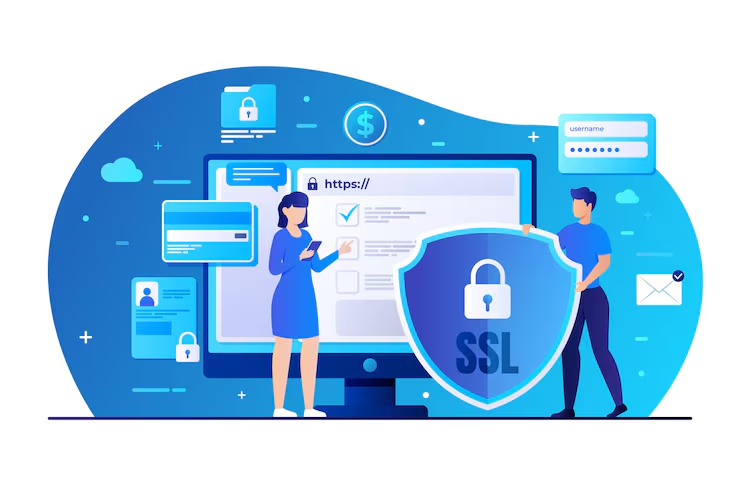
An SSL certificate encrypts the data transferred between a website and its visitors. This ensures that sensitive information such as login credentials and payment details cannot be intercepted by attackers.
 5 Passive Income Businesses You Can Start Today

Websites using HTTPS are also considered more trustworthy by search engines and users.
Keep Software Updated
Many websites rely on content management systems (CMS) such as WordPress, along with plugins and themes. Outdated software may contain vulnerabilities that hackers can exploit.
Regularly updating website software ensures that security patches are applied and vulnerabilities are fixed.
Use Strong Passwords
Weak passwords make it easier for hackers to gain unauthorized access. Website administrators should use strong passwords that include a combination of letters, numbers, and special characters.
Implementing multi-factor authentication can further enhance login security.
Install Security Plugins and Firewalls
Security plugins and web application firewalls help detect suspicious activities and block malicious traffic before it reaches the website.
These tools provide an additional layer of protection against various cyber threats.
Regular Website Backups
Regular backups ensure that website data can be restored quickly if a security incident occurs. Backups should be stored securely and updated frequently.
Having a reliable backup system helps minimize downtime and data loss.
Monitor Website Activity
Continuous monitoring allows website owners to detect unusual behavior and respond quickly to potential threats. Monitoring tools can track login attempts, file changes, and suspicious traffic patterns.
Early detection is key to preventing major security incidents.
Role of Website Security in E-Commerce
Website security is especially critical for e-commerce platforms. Online stores handle sensitive customer data, payment information, and transaction details.
If an e-commerce website experiences a security breach, customers may lose trust in the brand and choose to shop elsewhere.
Implementing secure payment gateways, encrypted transactions, and strong authentication systems helps protect both businesses and customers.
A secure online store not only prevents fraud but also encourages more customers to complete purchases with confidence.
Benefits of Investing in Website Security
Businesses that prioritize website security gain several long-term benefits.
Improved Customer Confidence
Visitors are more likely to interact with websites that appear secure and trustworthy.
Better Search Engine Performance
Secure websites often perform better in search engine rankings.
Reduced Risk of Cyber Attacks
Strong security measures significantly lower the chances of successful attacks.
Business Continuity
Protecting websites from cyber threats ensures uninterrupted business operations.
Conclusion
Website security is an essential component of maintaining a successful online presence. As cyber threats continue to evolve, businesses must take proactive steps to protect their websites and the valuable data they contain.
By implementing strong security practices such as SSL encryption, regular updates, secure passwords, and continuous monitoring, organizations can significantly reduce the risk of cyber attacks. A secure website not only protects sensitive information but also builds trust with customers and strengthens brand reputation.
In today’s digital landscape, website security is no longer optional—it is a fundamental requirement for businesses that want to operate safely and successfully online.

Leave a Reply